

PRACTICAL TIPS FOR AGEING AT HOME WITH SUPPORT.
Many older people live at home with some help — through home care services, community programs, or support from family and friends.
From the outside, this stage of ageing can look straightforward. Support might be shared between different providers, delivered in short visits, or reviewed only occasionally. Support workers usually see just a slice of the day. Small changes can slip through unless someone pauses and looks at the bigger picture.
These tips are about helping you understand how support at home usually works day to day — and how you can stay involved without feeling like you’re “making trouble”.
This section is designed to help you understand how support at home actually works, day to day.
It focuses on:
how changes in health or function are usually noticed
how support is planned, recorded and reviewed
when it’s reasonable to ask for a reassessment or adjustment
how families and carers can share information without blame
The aim is to help support keep pace with changing needs — and to support workers and providers by making changes visible early.
Living at home with support
Support at home is meant to help people stay safe, comfortable and independent.
As health or mobility shifts, the type and amount of support that’s needed often changes too. What worked six months ago may no longer fit. New risks can appear quietly — a fall, increasing fatigue, continence changes, poor sleep, or gradual weight loss.
Noticing these patterns early makes it easier to adjust support before things become more difficult.
Working with support workers and providers
Most people working in home care are doing their best in a system that is busy, fragmented and time-limited.
Support workers often see only part of someone’s day. Care coordinators rely on information being passed on. When something changes, it’s not always obvious who needs to know — or how quickly that information should travel.
You can help by:
sharing what you’re noticing
asking how changes are being monitored
requesting a review when support no longer feels right
helping information flow between services and health professionals
This isn’t about being demanding. It often makes it easier for services to respond when needs change.
When things go well
This matters too.
Many home care workers go above and beyond, often every day. They work under tight schedules, with time pressure, complex needs and emotional demands that aren’t always visible.
When care is thoughtful, responsive or handled with kindness, that effort deserves to be recognised.
If something has gone well, say so. Thank workers in person. Write a short note or email to the service manager. A few genuine words can make a real difference — to morale, to retention, and to the culture of care.
Staying involved isn’t only about raising concerns. It’s also about reinforcing what good, person-centred care looks like when it’s done well.
What these tips are — and aren’t
These tips are:
practical
focused on real situations
grounded in how home support actually works
They’re not:
medical or legal advice
a criticism of support workers
a complaint process
a judgement about past decisions
They’re simply a way to help you stay informed and involved.
Why reviews matter
Support at home isn’t static.
Hours, tasks and routines are often based on assessments done at a point in time. As health, confidence or circumstances change, those arrangements may need to be revisited.
Reviews help ensure support remains appropriate, coordinated and safe — and that people aren’t left managing changes alone.
If you’re unsure
If something doesn’t feel right, it’s okay to ask questions.
That might mean asking for:
a care plan review
clarification about what support includes
better coordination between services
a check-in with a GP or allied health professional
Ageing at home with support works best when people feel heard, supported and involved — including the workers providing care.

New Medications
Even small medication changes can have big effects as we age. Watching closely in the early weeks — and knowing what to ask — helps catch side effects early and avoid unnecessary falls, confusion, or loss of confidence at home.
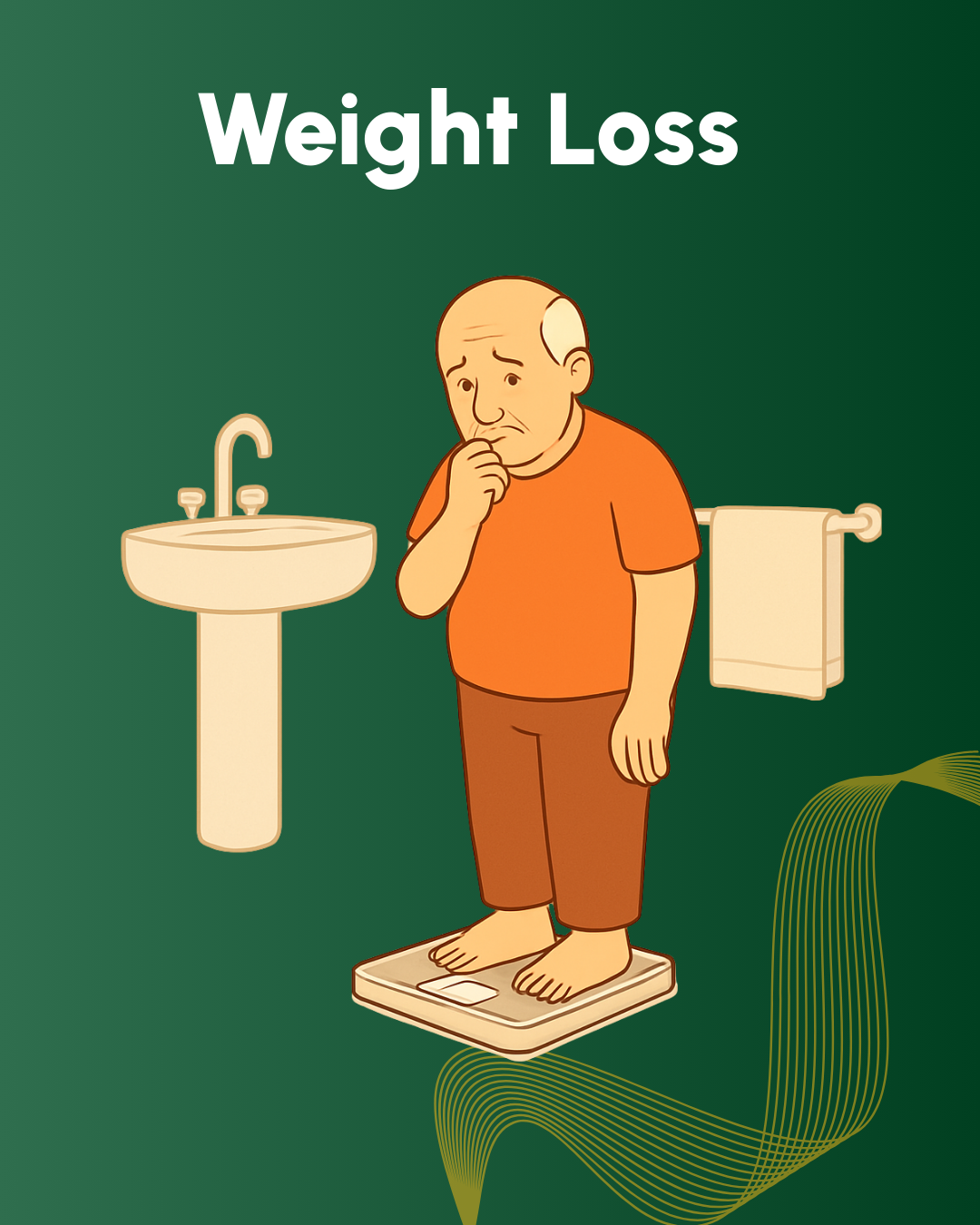
You’ve Lost Weight
Weight loss can be an early sign that something isn’t working — pain, fatigue, low mood, swallowing problems, or support that no longer fits. Noticing changes early helps prevent bigger health problems and supports ageing safely at home.
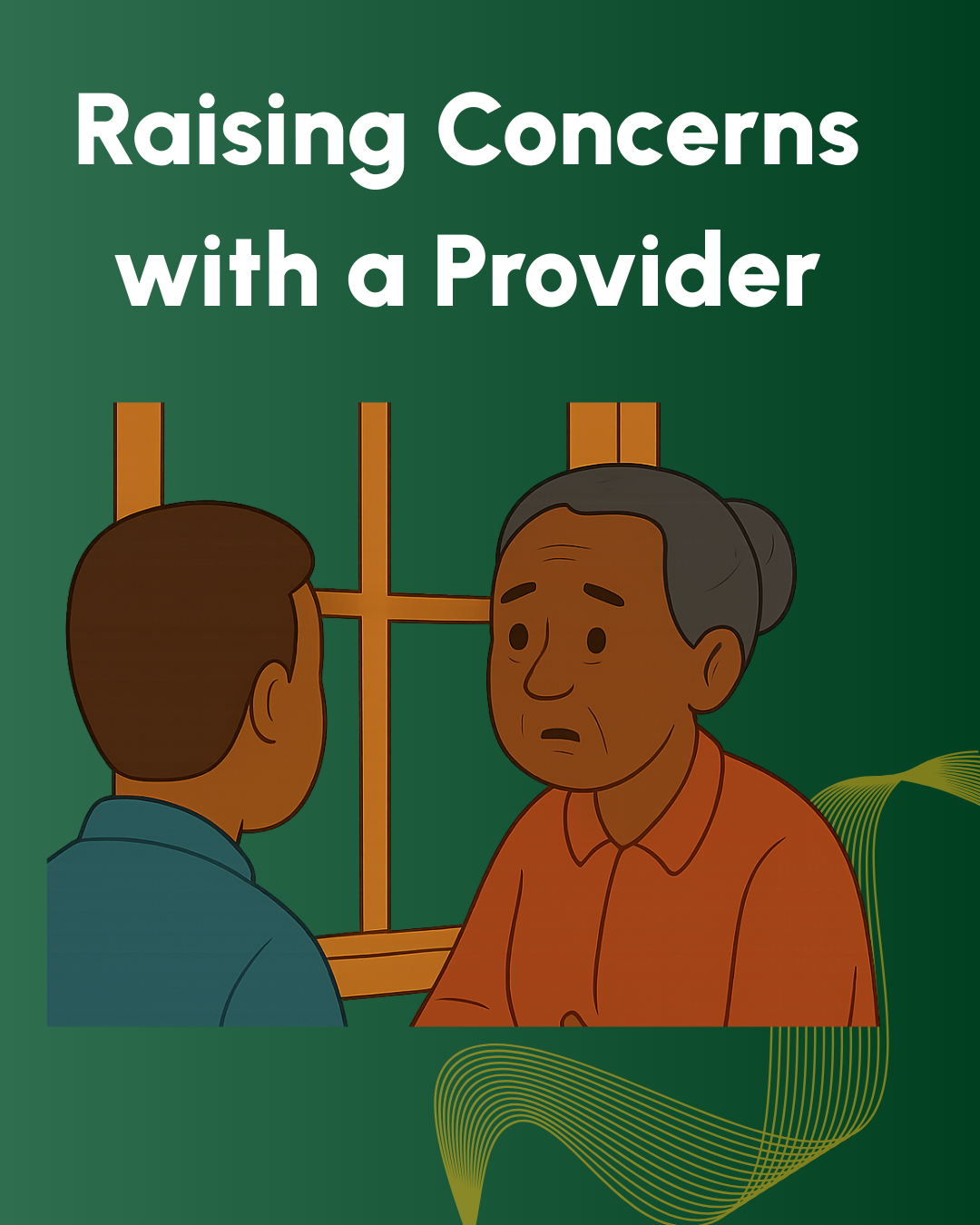
Raising concerns about care, safety, or service provision
When care is delivered at home, small issues can quickly become safety risks. This guide explains how to raise concerns early, what questions to ask, and where to get help if problems aren’t resolved.
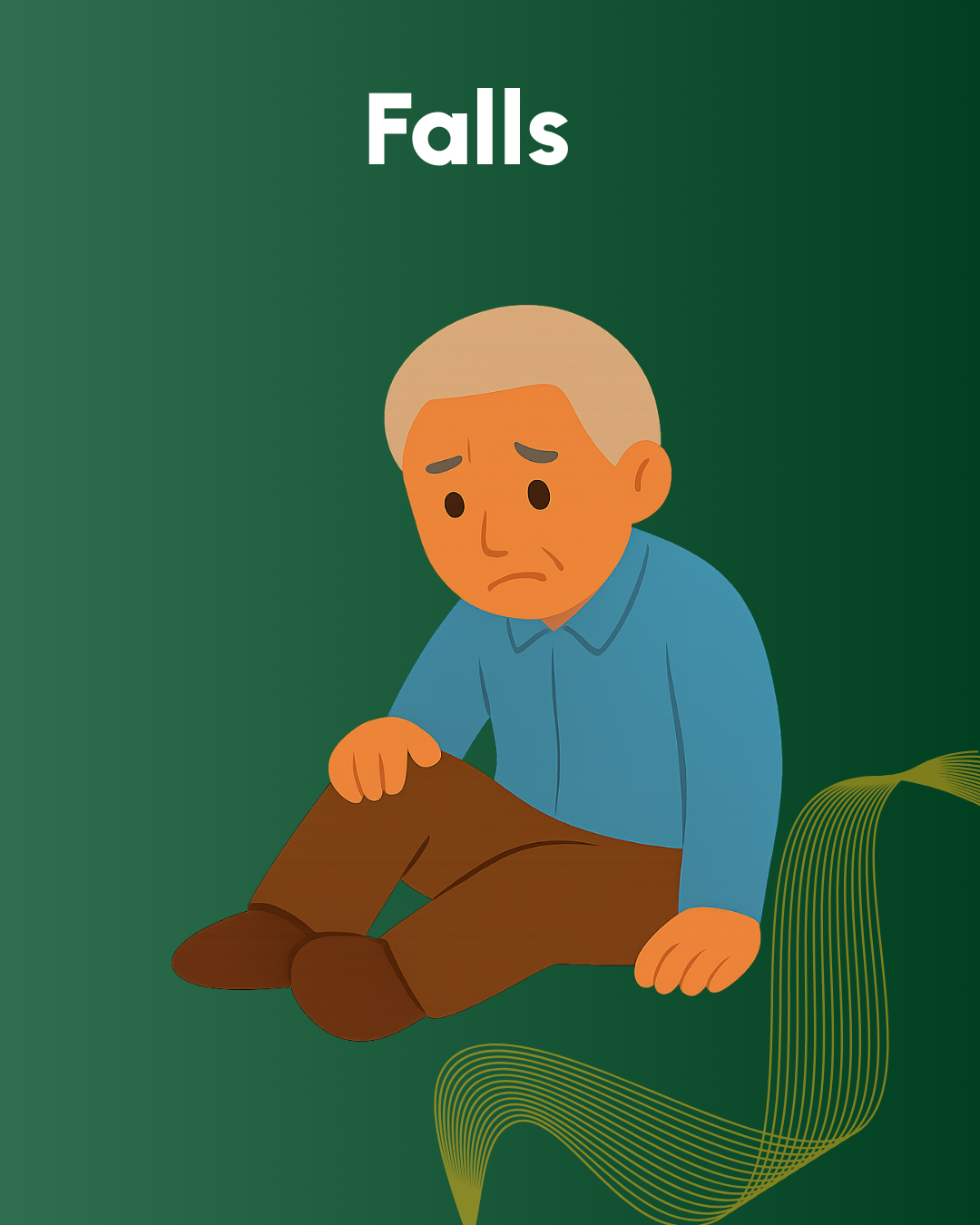
You’ve Had a Fall
A fall isn’t often “just an accident”. It can signal a change in balance, strength, medication, pain, or daily routines. Understanding why it happened — and asking a few practical questions — can help prevent the next one and keep people safe at home.

Home Medicines Reviews
Managing many medicines at home can be confusing and risky. A Home Medicines Review (HMR) brings a credentialled pharmacist into your home to check medicines with you, work with your GP, and help keep your medicines safe and working well for your life.