

PRACTICAL TIPS FOR LIVING IN AGED CARE HOMES.
Aged care is complex, regulated, and under pressure — and for residents and families, it can be hard to know what’s normal, what’s changing, and how concerns are meant to be raised.
Aged care can feel overwhelming. It’s regulated, structured, and often stretched — and when you’re a resident, family member or close friend, it’s not always clear what’s “normal”, what’s changed, or how you’re meant to speak up when something doesn’t feel right.
Residential aged care is highly regulated and delivered under significant pressure. Behind the scenes, residential aged care runs on care plans, rosters, reporting systems, budgets, and tight timeframes. Staff are supporting people with complex and changing needs, often while juggling multiple demands. Most are doing their best in a system that doesn’t leave much room for flexibility.
From the outside, though, it can be hard to understand how things actually work day to day — who does what, how changes are noticed, how information moves between carers, nurses and GPs, and when it’s okay to ask for a review.
These tips are about helping you feel a bit more confident navigating that space — not by criticising anyone, but by understanding how care usually works and how you can stay constructively involved.
For residents and families, understanding how aged care works day to day — who does what, how concerns are raised, and how care is monitored — can be difficult.
This section focuses on the practical realities of residential aged care, including:
how care plans are used and reviewed
how changes in health or behaviour are usually identified
how information flows between staff, nurses, GPs and families
when it’s appropriate to ask questions or request review
The intention is not to criticise staff or services, but to help you - residents and families - feel more informed, more confident, and better able to participate in care in a constructive way to ensure that everyone gets the high quality and person-centred care that our community expects.
Working with care staff
Most people working in aged care are doing their best in a system that asks a lot of them.
Staff are expected to deliver high-quality, person-centred care within very tight budgets and financial benchmarks. To make this work, they are constantly adjusting how care is delivered — what gets prioritised, how time is spent, and what can realistically be done on any given day.
Sometimes those adjustments have unintended ripple effects. Care can look different from week to week. Small changes can add up. And important things can be missed — not because people don’t care, but because the system leaves very little room to breathe.
You can help.
Being involved in care and services doesn’t make you demanding. It helps staff advocate for you or your loved one. Clear questions, timely information and documented requests give staff something concrete to work with when resources are stretched.
It’s reasonable to:
ask questions
ask for information
ask for referrals
ask for reports
ask for closer monitoring
ask for care to be reviewed when things change
ask for issues to be escalated if they haven’t been resolved
The level of care most of us expect for ourselves and the people we love is shaped by values, experience and need — not by funding formulas. Decisions about budgets, targets, and benchmarks can be made outside the realities of the day-to-day care setting, and independently of the skills and knowledge of the people who deliver the care.
Staying engaged helps close that gap.
We make progress by being kind, respectful and involved — and by asking for more, together.
When things go well
It’s important to say this plainly: many aged care staff go above and beyond, often every day.
They work under difficult schedules, with time pressure, complex needs, and emotional demands that aren’t always visible. When care is thoughtful, responsive, or handled with kindness, that effort matters.
If something has gone well, say so. Thank staff in person. Write a short note or email to the service manager. A few words acknowledging good care can make a real difference — to morale, to retention, and to the culture of care.
Staying involved in care isn’t only about raising concerns. It’s also about recognising the people who are doing their best in a system under strain, and reinforcing what good, person-centred care looks like when it’s done well.
What these tips are — and aren’t
These tips are here to help you:
notice patterns over time
ask informed, practical questions
understand how care is adjusted as needs change
They’re:
practical
grounded in real situations
based on how aged care actually works
They’re not:
legal or clinical advice
a criticism of staff
a complaint process
They’re simply a way to help you stay involved.
If you’re unsure
If something doesn’t feel right, it’s okay to pause and ask.
Care works best when people feel informed, involved and supported — including the staff providing it.
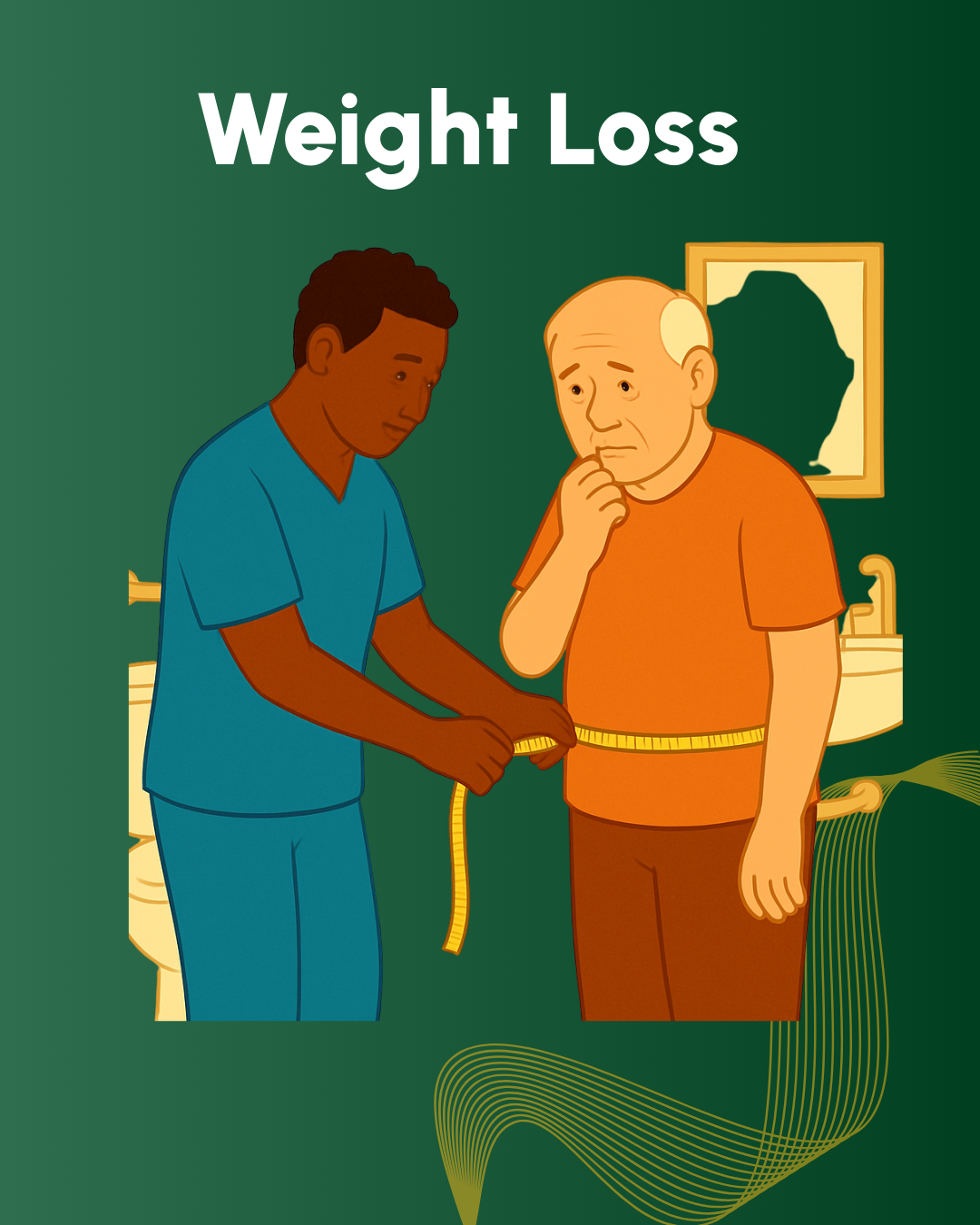
You’ve lost weight
Unintentional weight loss isn’t a normal part of getting older. It can signal that something has changed — health, pain, mood, medication, swallowing, appetite, or how day-to-day support is working.
Residential Medication Management Reviews (RMMR)
Medications that once helped can quietly start causing harm as health changes. A Residential Medication Management Review helps check whether medicines still make sense — and reduces risks like falls, confusion, and hospital transfers.
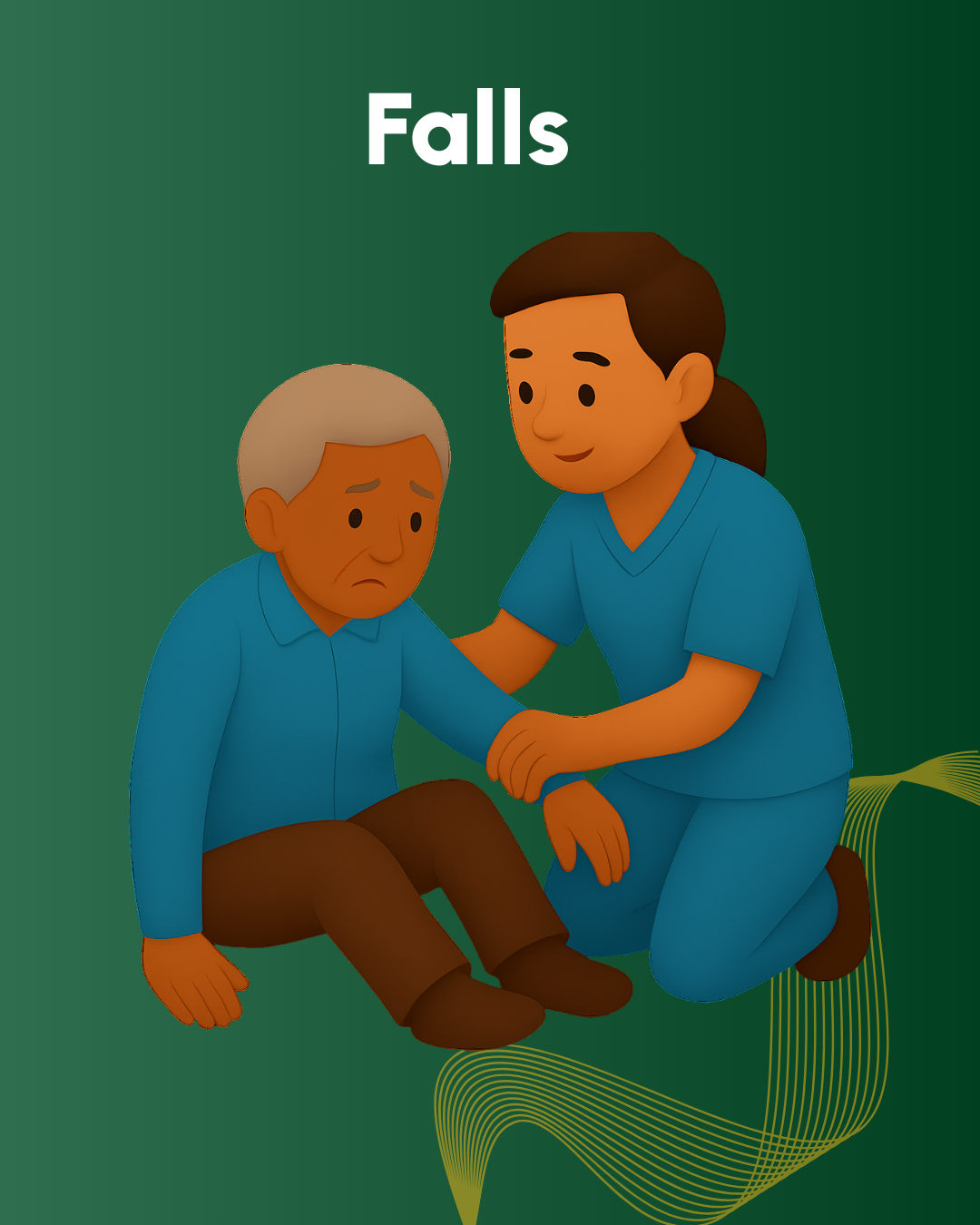
You’ve had a fall
A fall in an aged care home might not be just “an accident”. It could signal that something has changed — health, mobility, medication, confidence or the environment. Understanding why a fall happened, and balancing safety with dignity and quality of life, could help prevent further falls while supporting wellbeing, choice and person-centred care.
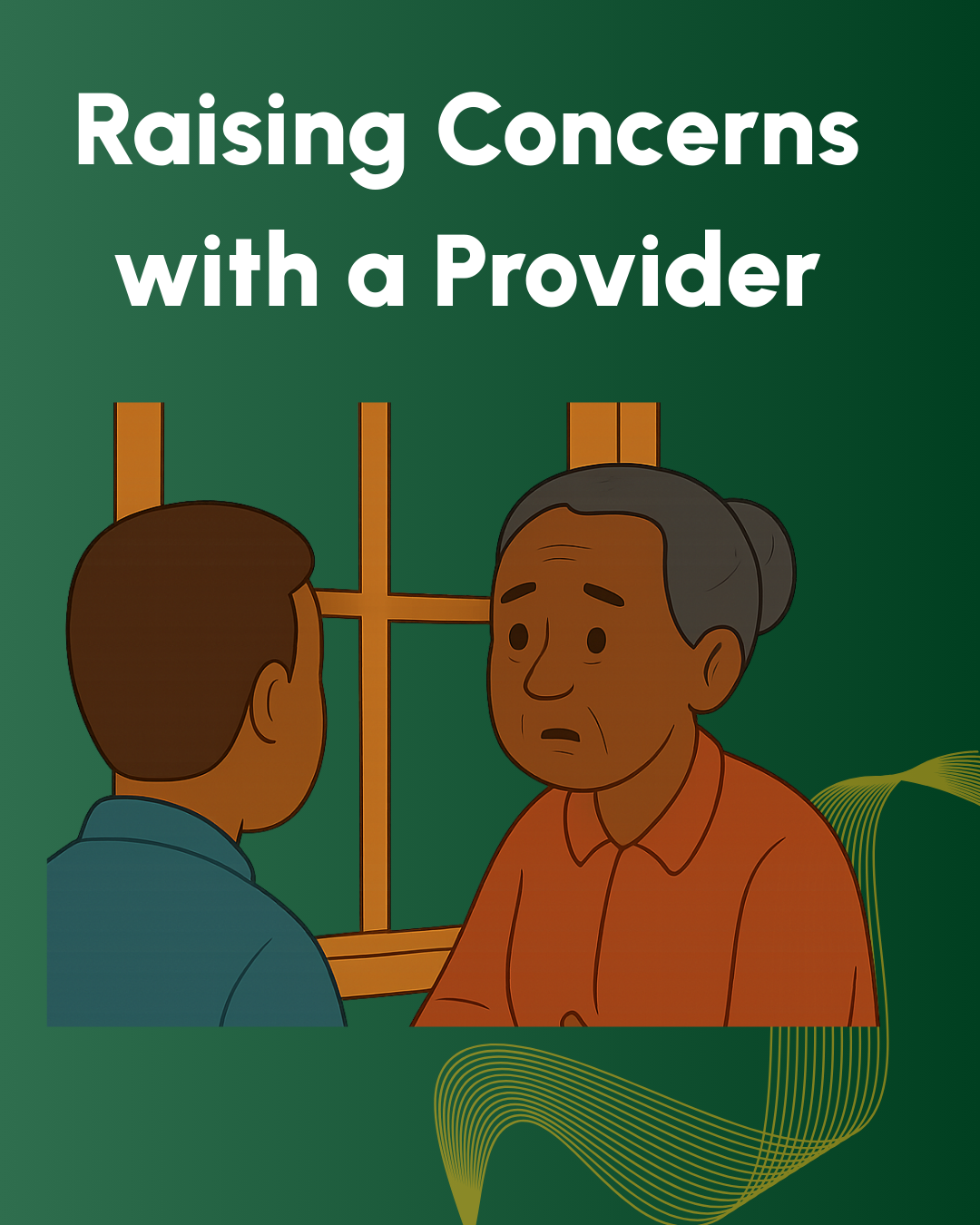
Raising concerns about care, safety, service provision, or dignity
When something doesn’t feel right in aged care, it’s okay to speak up. This guide shows how to raise concerns clearly, request information, and get help if issues aren’t resolved.
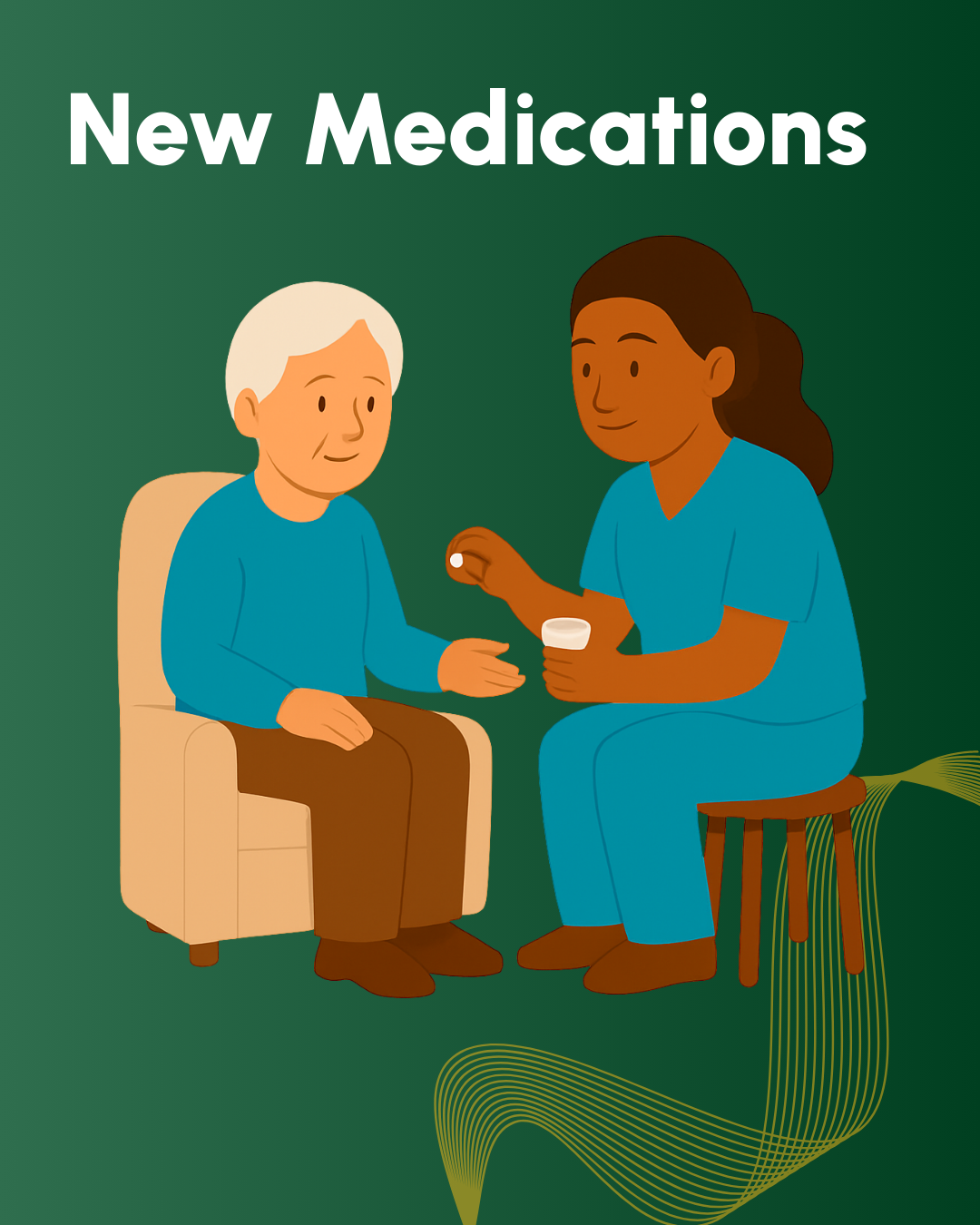
New medications
Starting a new medication can quietly change how a person feels and functions day to day. Side effects don’t always appear straight away, and in older people they can show up as subtle changes — increased falls, confusion, sleep changes, low appetite, nausea, dizziness, or new pain.

Enrolled Nurses
Enrolled Nurses are a vital part of aged care. Their experience, continuity and close knowledge of residents support early detection of change and safe day-to-day nursing care.
Registered Nurses
Registered Nurses play a critical clinical leadership role in aged care. The safest care comes when experienced RNs are supported by strong teams, clear systems and realistic staffing models that value judgment, continuity and collaboration.