
PRACTICAL TIPS FOR AGED CARE AND SUPPORT.
Ageing often brings changes that affect daily life — how meals are managed, how medications are taken, how safely someone moves around, or how support fits into the day.
For many people, understanding how aged care works, how to access support, and what high quality day-to-day care actually looks like can feel confusing or overwhelming.
PRACTICAL TIPS FOR AGED CARE AND SUPPORT presents a series of day to day issues and concerns, broader system issues, and common roles and supports available to help everyone to have a better understanding of how aged care and services work. It is written to support older people, families, carers and communities to better understand what is happening, how to stay involved, and how to help us to achieve system improvements. In a system that is stretched, staying involved helps to ensure you or your loved one gets the high-quality and person-centred care that our community expects.
The Guide has been developed as part of Bevan Eatts MLA’s work as Shadow Minister for Aged Care, informed by ongoing conversations with older Western Australians, families, frontline workers, aged care providers, and healthcare providers. It reflects what people often say they struggle with most: not knowing how the system works, who does what, or what it’s reasonable to ask for.
This is not advice, and it is not a substitute for professional care. It is a resource to help people understand care as it is delivered in practice, what high quality care might look like — and to feel more confident asking for what they or loved one might need.
HOW THESE TIPS HELP.
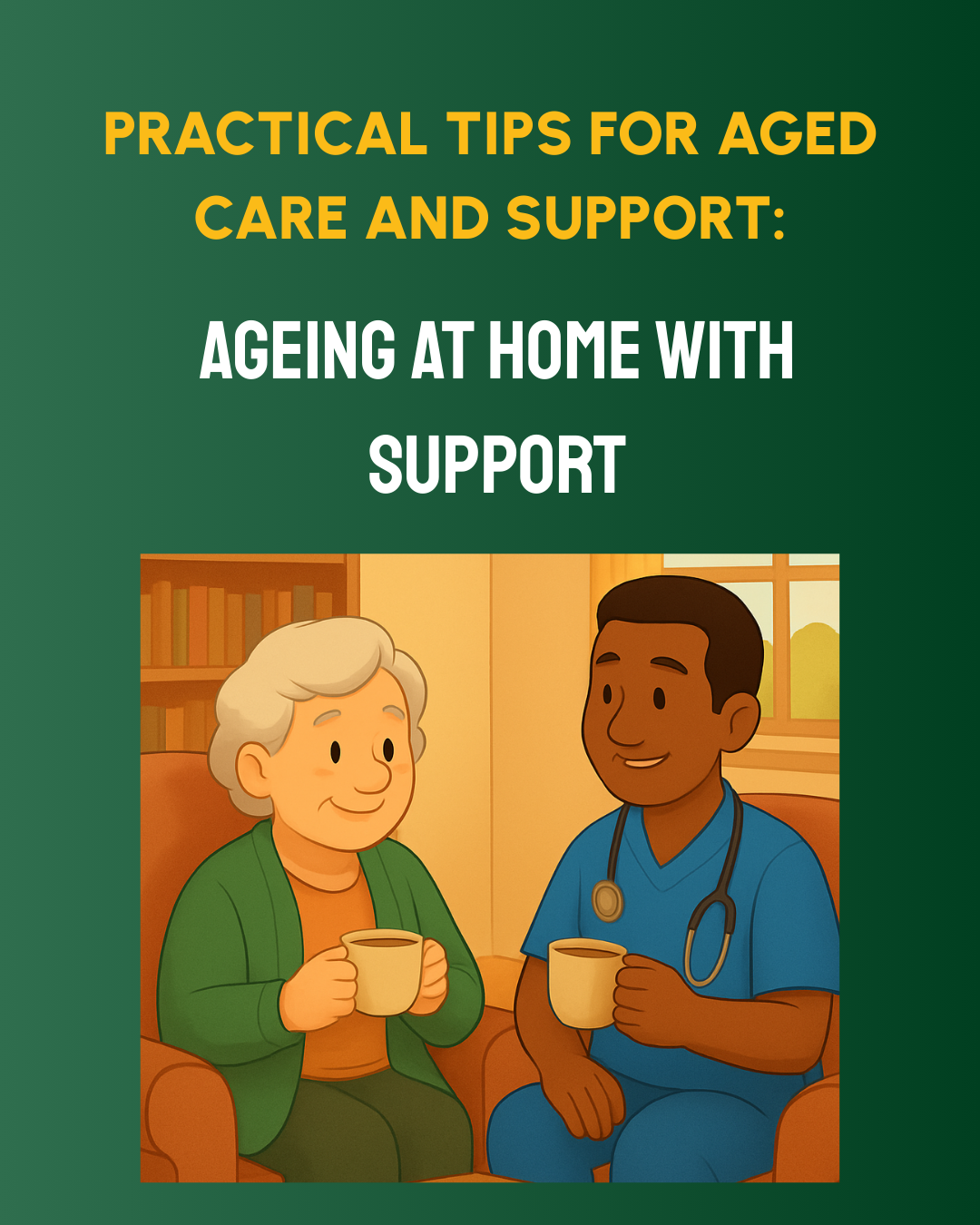
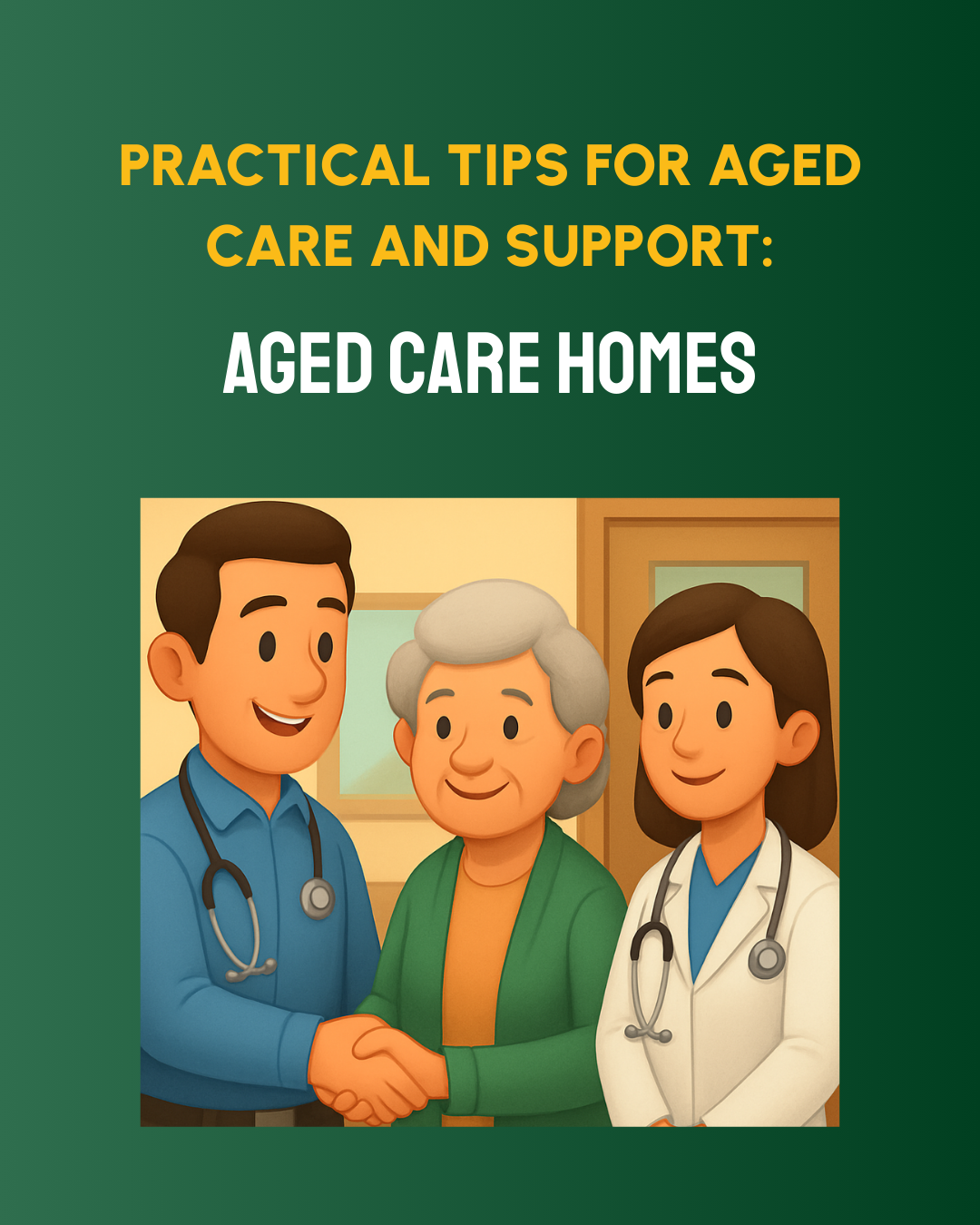
Aged care is not just a service — it is a system. Support is delivered in different ways depending on whether someone is receiving help at home, or living in residential aged care.
These Tips are organised into two linked sections that reflect how aged care is most commonly experienced:
Ageing at Home with Support
Aged Care Homes
Both sections cover the same everyday issues — such as weight loss, falls, medications, pain, behaviour or mood changes, sleep, continence, skin health, hydration and infections — but look at them through the lens of how care is provided and monitored in each setting.
This helps people understand:
common changes and incidents, and what can be done when they occur
how concerns are documented, monitored, and reviewed
who is typically involved day to day
when and how issues are escalated
where the system might need your support
You don’t need to navigate this perfectly. People often move between these settings, and it’s common to read across both sections.